Whether due to performance issues, organizational changes, or other circumstances, sometimes employers need to make the difficult decision to demote an employee. A demotion letter is a formal document used to communicate this change in job position to the employee.
When writing a demotion letter, it's important to maintain a professional and respectful tone. Start by clearly stating the reason for the demotion and providing any relevant details or examples. This will help the employee understand the decision and the areas they need to focus on for improvement.
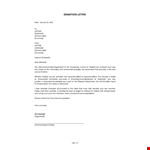
Here's a sample demotion letter format:
Dear [Employee's Name],
I am writing to inform you that after careful consideration, the company has decided to demote you from your current position as [Current Title] to [New Title]. This decision has been made based on [reasons for the demotion, such as performance issues, organizational changes, etc.].
It is important to note that this decision is not a reflection of your worth as an employee. We value your skills and contributions, and believe that with the necessary improvements, you can still make a valuable contribution to the company in your new role.
Attached to this letter, you will find a detailed job description outlining your new responsibilities, reporting structure, and any changes to compensation or benefits.
We will provide you with all the necessary support and resources to help you succeed in this new role. If you have any questions or concerns, please do not hesitate to reach out to me or your supervisor.
Thank you for your understanding and cooperation during this transition. We look forward to working with you in your new capacity.
Sincerely,
[Your Name]
[Your Title]
[Company Name]
Using a demotion letter template can help ensure you cover all the necessary details and maintain a professional tone throughout the communication. Remember, it's crucial to handle demotions with sensitivity and support employees as they navigate this change in their career journey.