Handling employee discipline is a crucial aspect of maintaining a productive and harmonious work environment. One common method used by employers is the issuance of a written verbal warning. This warning serves as a formal notification to an employee regarding their performance or behavior that requires improvement.
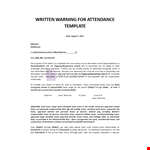
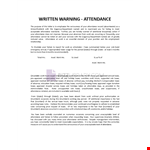
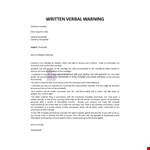
A warning letter in the context of a written verbal warning is an official communication that outlines the specific issues that led to the warning. It serves as a documented record of the employer's concerns and expectations for improvement.
When considering a written verbal warning, HR professionals play a vital role in ensuring fair and consistent application of disciplinary procedures. They provide guidance, enforce policies, and ensure that warning letters are appropriately issued to address employee performance issues.
If you're unfamiliar with how to give a written warning to an employee, it's essential to approach the process with care and professionalism. Understanding the proper steps and communication techniques can help minimize potential conflicts and promote a constructive resolution.
It's worth noting the difference between a verbal warning and a written warning. While both types of warnings aim to address performance issues, a verbal warning is a more informal conversation, whereas a written warning carries the weight of a formal documentation and serves as an official record.
For organizations seeking to implement a clear and consistent written warning procedure, it's vital to establish guidelines that ensure fair treatment of all employees. By adhering to a well-defined procedure, employers can navigate the disciplinary process effectively and maintain a positive work environment.