When it comes to addressing employee misconduct or poor performance, having written documentation of verbal warnings is essential for HR departments. This article aims to provide insights into the importance of documenting verbal warnings, the procedures involved, and key considerations.
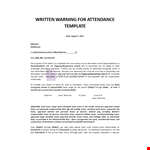
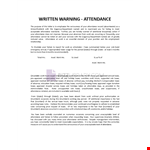
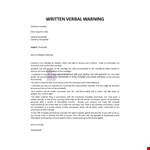
A written warning letter serves as an official record of the verbal warning given to an employee. It outlines the details of the misconduct, the expected improvements, and the consequences of non-compliance. This documentation ensures transparency, accountability, and consistency in the disciplinary process.
HR professionals play a vital role in managing and documenting verbal warnings. They must follow specific procedures to ensure fairness and adherence to company policies. This includes clearly communicating the warning to the employee, allowing them to provide their side of the story, and providing guidance on how to meet expectations going forward.
In some cases, it may be necessary to escalate a verbal warning to a written warning. This decision requires careful evaluation of the severity and frequency of the employee's behavior. Understanding the distinction between verbal and written warnings is crucial. While verbal warnings are informal, written warnings have a more serious tone and carry potential legal implications.
By following proper written warning procedures, companies can protect themselves from potential legal disputes and ensure a fair working environment. It is essential for HR professionals to have a clear understanding of the steps involved and to document each stage of the process accurately.