When it comes to dealing with employee misconduct, verbal and written warnings are commonly used disciplinary measures. Understanding the differences between the two can help employers handle disciplinary situations effectively and ensure compliance with workplace policies.
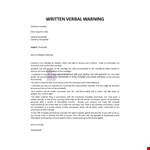
A verbal warning is typically an informal communication from a supervisor or manager to address minor misconduct or performance issues. It serves as an opportunity to discuss the problem, provide guidance, and give the employee a chance to improve. Although verbal warnings may not be documented, they should still be taken seriously and documented if the behavior continues.
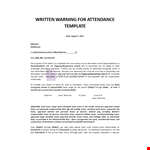
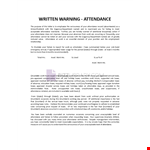
On the other hand, a written warning is a formal notice issued to an employee to address more serious or repetitive misconduct. It outlines the specific problem, the consequences of not improving, and any necessary corrective actions. Written warnings are typically documented and become part of the employee's personnel file, serving as a record of the disciplinary action taken.
HR professionals play a crucial role in handling verbal and written warnings. They ensure that the disciplinary procedures are followed consistently and that employees are treated fairly. HR professionals should be knowledgeable about company policies, applicable laws, and best practices to effectively address employee misconduct.
When responding to a verbal warning at work, it is important for employees to remain calm, listen attentively, and ask for clarification if needed. They should use the feedback constructively to improve their performance and avoid future incidents.
Similarly, giving a written warning to an employee requires careful consideration and adherence to company policies. Supervisors should clearly communicate expectations, provide specific examples of the misconduct, and explain the consequences if the behavior persists.
To ensure proper handling of written warnings, organizations should establish a clear procedure. This includes documenting the warning, obtaining necessary signatures, and delivering a copy to the employee. Adhering to a consistent procedure helps maintain fairness and transparency in the disciplinary process.