When it comes to effective communication, persuasive messages play a crucial role. Whether you're in sales, marketing, or simply want to influence others, understanding the different types of persuasive messages can greatly enhance your communication skills.
So, what exactly are persuasive messages? These are communication attempts aimed at convincing or influencing others to adopt a particular viewpoint, take specific actions, or change their behavior. By utilizing various persuasive techniques and strategies, these messages can be powerful tools for driving desired outcomes.
Now, let's explore some common types of persuasive messages:
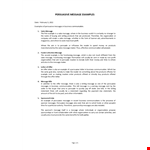
- 1. Emotional Appeals: These messages tap into people's emotions, aiming to trigger specific feelings or reactions. For example, an advertisement that plays on nostalgia to persuade consumers to purchase a product.
- 2. Statistical Evidence: These messages rely on data, facts, and figures to sway opinions. This type of message is commonly used in research papers, presentations, or debates.
- 3. Testimonials: Testimonial messages leverage the power of personal experiences and endorsements to persuade others. These messages often highlight the positive feedback and testimonials from satisfied customers.
- 4. Authority: These messages appeal to authority figures or experts to gain credibility. For example, a dentist recommending a specific brand of toothpaste.
- 5. Scarcity: Scarcity messages create a sense of urgency and scarcity to persuade individuals to take immediate action. Limited-time offers or exclusive deals often utilize this technique.
Understanding the different types of persuasive messages and how they work can empower you to become a more influential communicator. By tailoring your messages to specific contexts and audiences, you can effectively convey your ideas and achieve your desired outcomes.
Remember, the key to persuasive communication lies in understanding your audience, crafting compelling messages, and utilizing effective techniques to sway opinions.