When it comes to technical project management roles, there are various terms used interchangeably, making it confusing for job seekers and employers alike. To clear the air, let's delve into the key differences between a Technical Program Manager and a Project Manager.
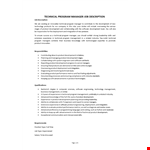
A Technical Program Manager (TPM) is responsible for overseeing the successful delivery of complex technical projects. They collaborate closely with cross-functional teams, aligning resources and priorities to achieve business objectives. On the other hand, a Project Manager (PM) focuses on the overall planning, execution, and monitoring of projects, often working within defined scope, budget, and timelines.
For those aspiring to become a TPM or PM, understanding the job descriptions is crucial. A TPM typically handles multifaceted projects that span teams, departments, or even organizations. They coordinate stakeholders, mitigate risks, and ensure smooth project execution. PMs, on the other hand, focus on project planning, task delegation, tracking progress, and ensuring timely completion.
Skills required for these roles differ as well. TPMs need a deep technical background and expertise in project management methodologies. They should possess strong leadership, communication, and strategic thinking skills. PMs, while still needing project management knowledge, tend to focus more on organizational, planning, and interpersonal skills to drive project success.
During interview processes, both TPMs and PMs can expect questions related to technical project management scenarios, problem-solving skills, and team collaboration. Preparing answers that highlight your experience, adaptability, and leadership abilities is key.
In conclusion, while TPMs and PMs share some similarities, their focus, responsibilities, skills, and interview expectations differ. Understanding these nuances will help in choosing the right path and preparing for a successful career in technical project management.