Are you confused about the differences between a staffing manager and a recruiter? Look no further, as we provide you with an in-depth analysis to clear up any misconceptions.
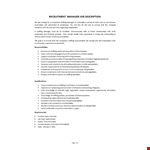
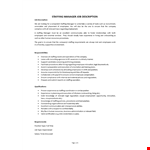
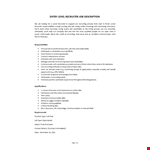
Let's start with the job description of a staffing manager vs. a recruiter. While both play crucial roles in the hiring process, a staffing manager typically oversees the entire recruitment process, including workforce planning, candidate sourcing, and managing the staffing budget. On the other hand, recruiters focus primarily on finding and attracting qualified candidates for specific job openings.
When it comes to recruitment strategies, both roles require unique approaches. A staffing manager focuses on long-term planning and building relationships with potential candidates and external recruitment agencies. Meanwhile, recruiters utilize their expertise in candidate sourcing, screening, and conducting interviews to identify the right fit for the organization.
In terms of HR staffing, a staffing manager takes on a broader role, overseeing the HR department as a whole. They are responsible for developing and implementing HR policies, managing employee relations, and ensuring compliance with labor laws. On the other hand, recruiters primarily focus on talent acquisition and the hiring process.
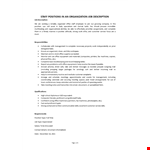
Considering the variety of staff positions within an organization, it is essential to have well-defined job descriptions for both a staffing manager and a recruiter. These descriptions outline the responsibilities, requirements, and qualifications necessary for each role, helping attract the right candidates and facilitate a smooth hiring process.
In summary, while staffing managers and recruiters have overlapping responsibilities, their roles, job descriptions, and focus areas differ. Understanding these distinctions is crucial for organizations to build effective recruitment strategies and ensure the success of their HR staffing efforts.