Are you looking for effective ways to conduct self employee evaluation? Evaluating your own performance can be a valuable tool for personal and professional growth. By assessing your strengths, identifying areas for improvement, and setting goals for the future, you can enhance your overall performance and contribute more effectively to your organization.
One way to start the self-evaluation process is by examining sample answers. These examples can provide insights into the types of responses that are expected and help you craft thoughtful and impactful self-evaluations.
Additionally, exploring essay examples of employee self-evaluations can offer guidance on how to structure your own evaluation. These examples can inspire you to effectively communicate your achievements, challenges, and growth objectives.
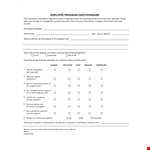
Utilizing an employee self-evaluation form can also streamline the evaluation process. These forms typically outline key performance areas and prompt you to provide feedback and ratings. By completing this form, you can organize your thoughts and ensure a comprehensive self-evaluation.
EPR (Employee Performance Reports) can serve as a framework for self-evaluation. These reports often outline performance expectations, core competencies, and success metrics. Incorporating these elements into your self-evaluation can demonstrate alignment with organizational goals and values.
For a more structured approach, consider using an employee evaluation template. These templates provide a framework for documenting your achievements, goals, and areas for improvement. They can help you create a thorough and well-organized self-evaluation.
In summary, self employee evaluation is a powerful tool for personal and professional development. By utilizing sample answers, essay examples, forms, EPR, or templates, you can ensure a thorough and impactful self-evaluation that promotes growth and success.