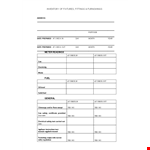
Welcome to our comprehensive guide on managing and optimizing your sample inventory. Whether you're running a small business, a laboratory, or simply organizing personal belongings, efficient inventory management is key to saving time and maximizing productivity.
When it comes to sample inventory, the first step is to regularly check and update your inventory list. This ensures that you have an accurate record of the samples you possess, allowing for easy retrieval and tracking of items when needed.
Inventory management software can greatly assist in streamlining the process. By utilizing software designed specifically for inventory tracking, you can easily monitor and control the status of your samples. This software can provide real-time information on the quantity, location, and condition of items in your inventory, saving you valuable time and resources.
Another important aspect of managing sample inventory is determining the appropriate conditions for storage. Different samples may have specific temperature, humidity, or light requirements to maintain their integrity. It is vital to label and organize samples accordingly, ensuring they are stored in suitable environments to avoid contamination or degradation.
Organizing items within your sample inventory is equally important. Implementing a logical and systematic storage system will enable quick and easy access to samples when required. Consider categorizing samples based on factors such as type, purpose, or expiration date, and clearly label storage containers for efficient retrieval.
Lastly, it's crucial to regularly review your sample inventory and determine if any items are no longer needed. Dispose of expired, unused, or obsolete samples responsibly, adhering to proper guidelines and regulations.
By following these best practices, your sample inventory management will be optimized, allowing for smoother operations and enhanced productivity. Take control of your samples today, and ensure that you have a well-organized and efficient system in place.