Pestel analysis is a valuable tool used to analyze and understand the external factors that impact a business or industry. With the help of this analysis, companies can gain insights into the political, economic, social, technological, environmental, and legal factors that affect their operations and strategic decision-making.
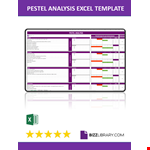
One way to conduct a Pestel analysis is by using Microsoft Excel, a widely used software program for data analysis and visualization. By organizing and categorizing the relevant factors in a spreadsheet, Excel makes it easier to compare and evaluate their impact on the business.
For example, let's consider Amul, a renowned dairy cooperative in India. By performing a Pestel analysis of Amul, we can assess the political and economic factors affecting the dairy industry, social trends influencing consumer behavior, technological advancements in milk processing, environmental considerations, and legal regulations applicable to the business.
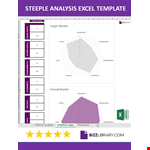
In addition to Pestel analysis, another useful framework to consider is Steeple analysis, which includes an additional focus on ethical and demographic factors. By combining Pestel and Steeple analysis, businesses can have a more comprehensive understanding of the external environment and make informed decisions.
Whether you are new to Pestel analysis or looking to enhance your skills, understanding how to perform a Pestel analysis in Excel and exploring real-world examples, such as Amul, can provide valuable insights for strategic planning and business growth.
So, learn how to conduct a Pestel or Pestle analysis in Excel, analyze the external factors impacting your business, and make informed decisions to stay ahead in this dynamic US market.