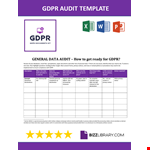
As businesses increasingly handle personal data, ensuring compliance with regulations has become crucial. The General Data Protection Regulation (GDPR) is a set of rules that protect the privacy of individuals in the European Union (EU). To meet GDPR requirements, organizations must conduct a thorough GDPR Audit.
A GDPR Audit program is an essential tool that helps businesses assess their compliance with GDPR regulations. By following a GDPR internal audit procedure, organizations can identify any gaps or areas of improvement in their data protection practices. This procedure typically includes assessing data processing activities, data handling protocols, and security measures.
One crucial aspect of a GDPR Audit is conducting a comprehensive GDPR audit checklist. This checklist acts as a guide, ensuring that no important aspect of GDPR compliance is overlooked. It covers areas such as data consent, data breach response, data transfer protocols, and data protection officer responsibilities.
Knowing the GDPR audit requirements is essential for businesses to adhere to the regulations. This includes appointing a Data Protection Officer (DPO), maintaining records of data processing activities, conducting regular risk assessments, and implementing appropriate data security measures.
If you're wondering how to conduct a GDPR audit, it's recommended to seek professional guidance. Experts can provide insights into the audit process, help you understand the legal requirements, and offer best practices for compliance.
Ensuring GDPR compliance is an ongoing process. Regular GDPR compliance audits help businesses assess their adherence to regulations, identify areas for improvement, and maintain the privacy and security of personal data.