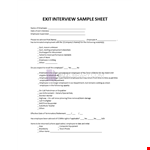
When it comes to understanding and improving employee experiences, two common methods are exit surveys and exit interviews. Both serve the purpose of gathering feedback from departing employees, but they differ in their approach and benefits.
Exit Survey vs Exit Interview: What's the Difference?
Exit surveys typically involve questionnaires or online forms that departing employees can fill out anonymously. These surveys provide a quantitative overview of the reasons behind employee departures and can help identify any recurring patterns or issues. On the other hand, exit interviews are more personal and conducted one-on-one with the departing employee, allowing for qualitative insights and in-depth discussions.
Benefits of Using Exit Surveys and Exit Interviews
By utilizing exit surveys and exit interviews, organizations can gain valuable insights into their employees' experiences and identify areas for improvement. These feedback channels can help identify patterns of dissatisfaction, highlight training or managerial issues, and provide a deeper understanding of the overall employee journey.
Access Templates and Resources
If you're looking to implement exit surveys or conduct exit interviews, our company provides a range of templates and resources to streamline the process. From questionnaires to interview guides, we've got you covered. Access our user-friendly templates in various formats, including PDF and Word, along with informative resources from the Society for Human Resource Management (SHRM).
Make your employee offboarding process seamless and gain valuable insights for organizational growth. Start using exit surveys and exit interviews today.